
-
-
-
Scientific research technology
Scientific research technology
-
-
-

Engineering Cases
ENGINEERING CASE
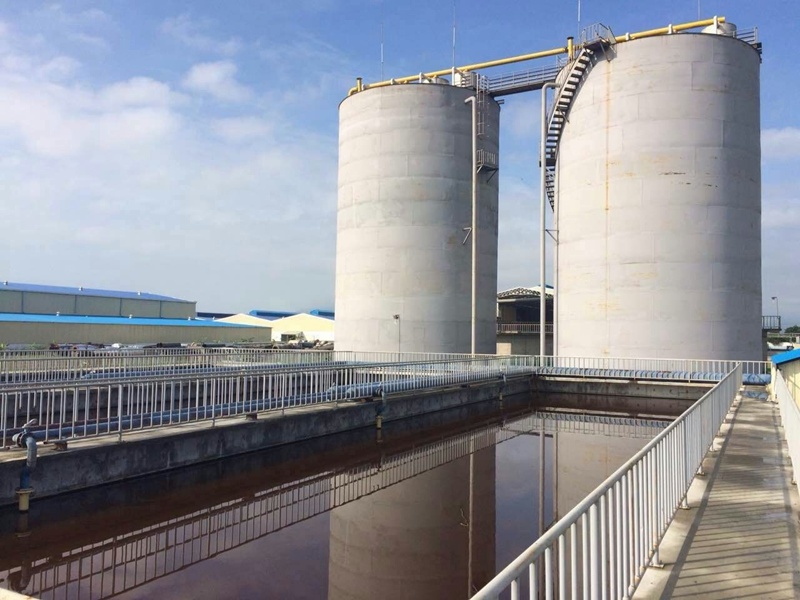
Cambodia
Category: Engineering Cases
Keywords: Product development, technological research, project survey and design, engineering installation
Hotline:
Cambodia
1. The Beginning of Environmental Protection Efforts:
From June 5 to 16, 1972, the United Nations convened the "First United Nations Conference on the Human Environment" in Stockholm, Sweden. The conference produced the renowned "Declaration on the Human Environment," marking the formal beginning of global government attention to environmental protection. The Chinese government also participated in this conference.
Environmental protection efforts in the People's Republic of China also began in 1972. Beijing established the GuanTing Reservoir Protection Office, and Hebei Province established a Three-Waste Treatment Office to jointly address the pollution of GuanTing Reservoir by the Shacheng Pesticide Factory in Hebei Province. This led to a nationwide ban on the production and use of DDT, officially enshrined in Chinese law.
2. The Kyoto Protocol:
To protect humanity from the threat of global warming, the Third Conference of the Parties to the United Nations Framework Convention on Climate Change, held in Kyoto, Japan in December 1997, adopted the Kyoto Protocol, aimed at limiting greenhouse gas emissions from developed countries to curb global warming. The Kyoto Protocol officially entered into force on February 16, 2005.
This was the first time in human history that greenhouse gas emissions were legally restricted. To help countries meet their greenhouse gas reduction targets, the Protocol allows for four reduction methods:
(1) "Emissions trading" between two developed countries, where countries struggling to meet their reduction targets can purchase excess emission allowances from countries that have exceeded their targets.
(2) Calculating greenhouse gas emissions based on "net emissions," subtracting the amount of carbon dioxide absorbed by forests from the country's actual emissions.
(3) Utilizing the Clean Development Mechanism to promote joint greenhouse gas emission reductions between developed and developing countries.
Meiquan's progress and development are based on a deep understanding and maximum satisfaction of customer needs. Meiquan closely follows the pace of advanced technology, constantly improving after-sales service and providing timely and diversified training for employees, using its own expertise to help customers meet environmental challenges. The company's core technologies, such as the circulating granular sludge reactor (MQIC), upflow anaerobic sludge bed reactor (H-UASB), segmented inflow biological denitrification process (BRN), and ammonia oxidation biological denitrification process (AMOXP), have all been fully verified in engineering practice and have high efficiency, low carbon, innovation, and leading advantages in the environmental protection field.
The company takes "the harmonious unity of advanced technology and high-quality service, and the perfect combination of environmental protection and resource utilization" as its tenet. Relying on technological innovation and scientific management, carrying forward the enterprise spirit of "integrity, innovation, efficiency, and pragmatism," achieving the company's self-improvement and development, providing high-quality services to society with characteristics and brands, and with diligent spirit and work attitude, providing you with the most advanced technology, the best quality service, and the most perfect solutions in the field of wastewater treatment.
Customer Message
If you are interested in our products and services, please contact us immediately.
Product Recommendation

undefined
Address: 16th Floor, East District, Building 1, Shun Tai Plaza, Gaoxin District, Jinan City, Shandong Province
Tel: +86-5318756 5188 +86-4006788635
Fax: +86-53187568555
Email: mqhb@china-meiquan.com
Follow Meiquan Official Website
WeChat Official Account
© 2022 Shandong Meiquan Environmental Protection Technology Co.,Ltd.